
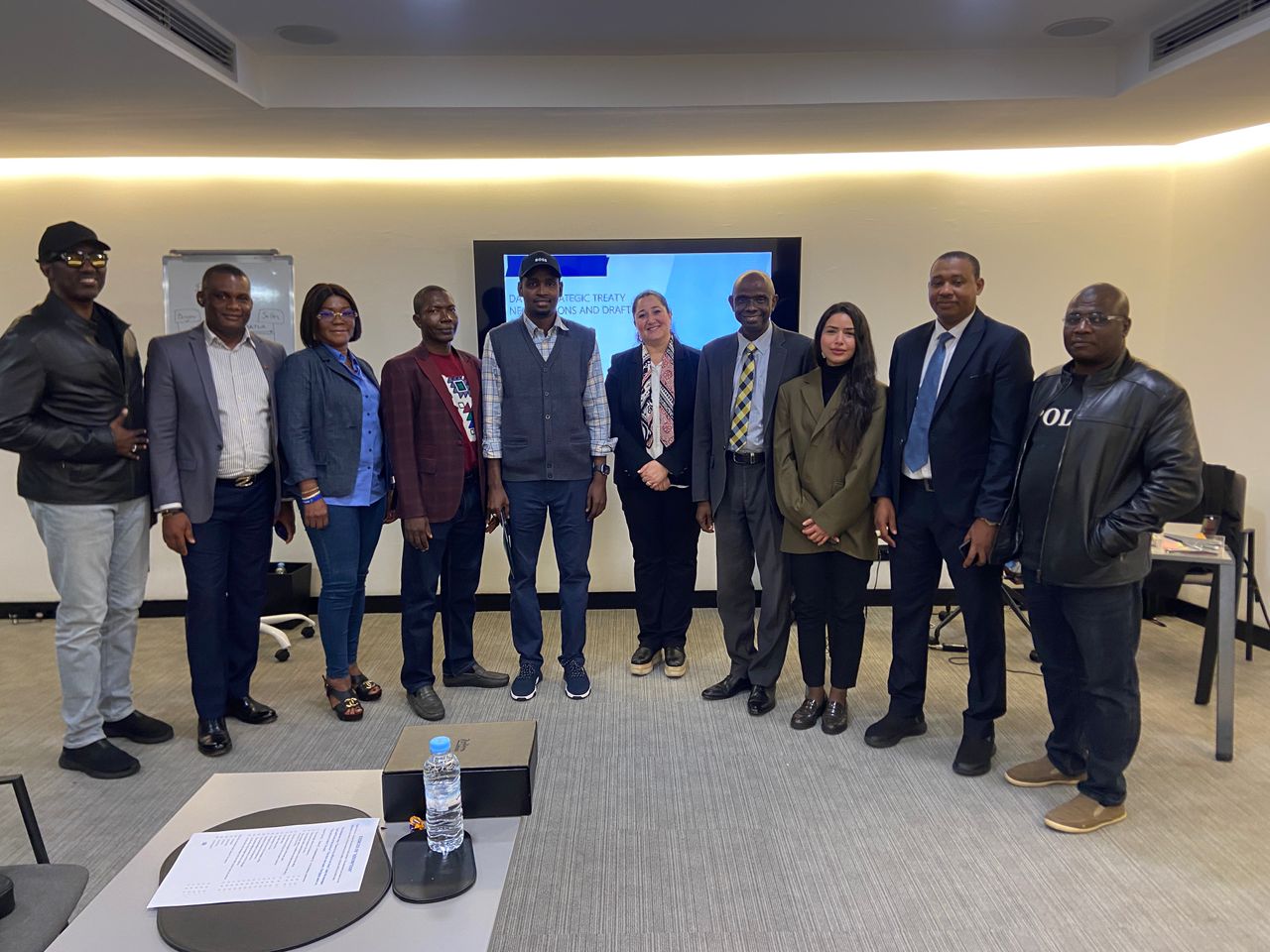
Nigeria has taken another strategic step toward strengthening its global engagement and enhancing the effectiveness of international agreements, as Hon. Ahmed Yusuf Doro, Deputy Chairman of the House Committee on Treaties, Protocols and Agreements, formally declared open the Executive Study Exchange Programme on Institutional Excellence in Treaty Governance in the Kingdom of Morocco.
Speaking on behalf of the Committee Chairman, Hon. Barr. Rabiu Yusuf, Hon. Doro described the programme as a timely and crucial intervention aimed at addressing longstanding gaps in Nigeria’s treaty negotiation, implementation, and compliance processes.
The programme, themed Institutional Excellence in Treaty Governance: Building Federal and State Capacities for Effective Negotiation, Implementation, and Compliance, brings together a unique mix of federal and state-level officials, including Directors, Legal Advisers, Heads of Treaty Units, State Commissioners, Permanent Secretaries, and legislative aides. Hon. Doro noted that this deliberate composition signals a shift toward a more coordinated and unified national approach to treaty governance.
He emphasized that Nigeria’s performance in international engagements across areas such as trade, security, climate policy, and regional integration has often been limited by institutional fragmentation. Issues like missed negotiation opportunities, delays in domesticating agreements, and avoidable non-compliance were highlighted as costly setbacks, both financially and reputationally.
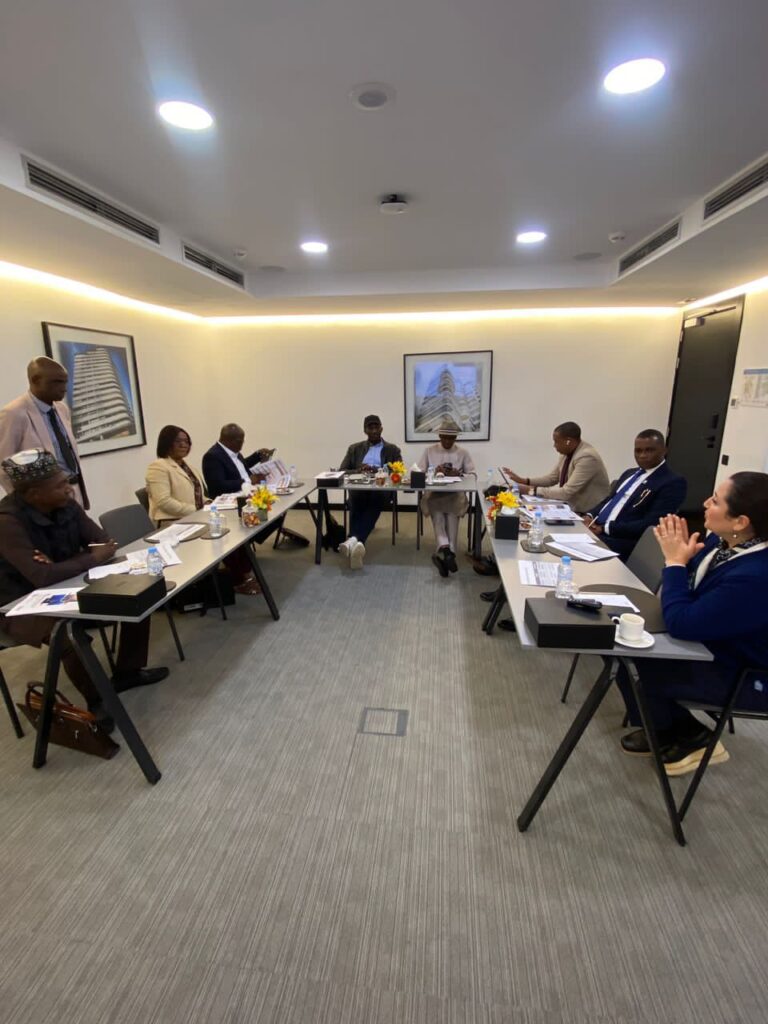
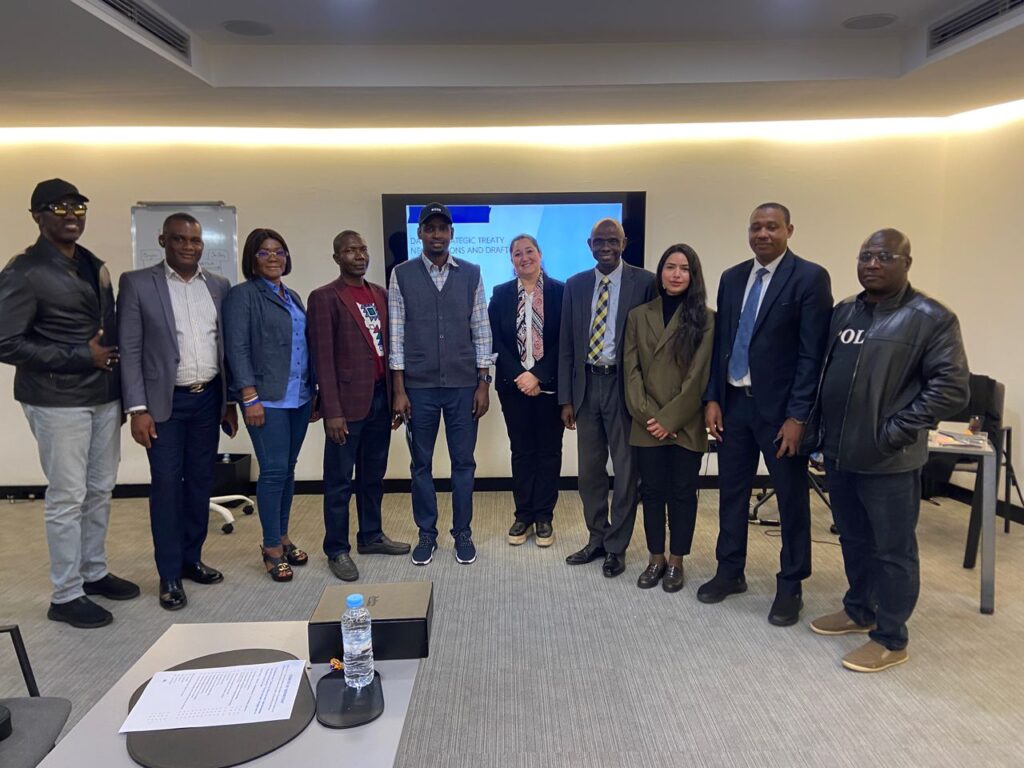
Hon. Doro praised Morocco as a fitting host country, citing its constitutional clarity, diplomatic strength, and strong institutional frameworks as valuable models for Nigeria. He encouraged participants to learn deeply from Morocco’s systems, including the structure of its Ministry of Foreign Affairs, Parliament, and oversight institutions.
The objectives of the programme include shifting Nigeria from ad-hoc treaty negotiations to more strategic engagements, improving coordination between federal and state governments, and designing workable oversight mechanisms that ensure treaties produce real, measurable impact at home.
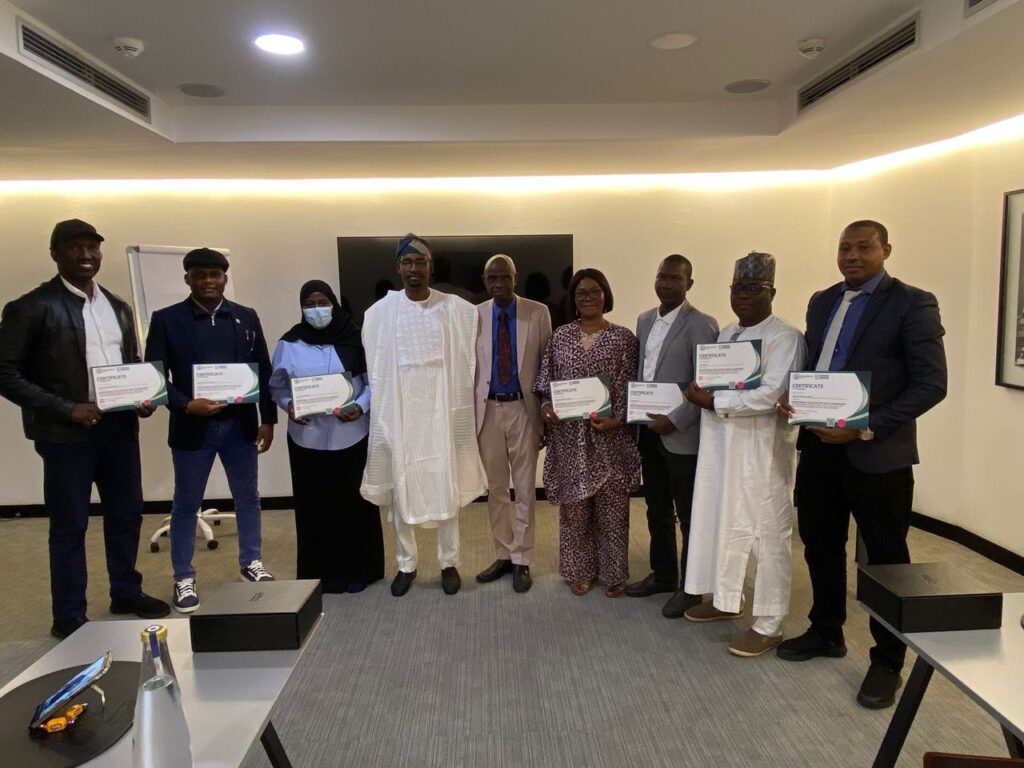
Hon. Doro expressed gratitude to the African Development Study Center and the Douglas Development Institute for their collaboration in making the programme possible. He also urged participants to return to Nigeria with actionable plans rather than mere certificates, stressing the importance of transforming the lessons learned into practical reforms.
He reaffirmed that the programme aligns with the “Renewed Hope” agenda by enhancing Nigeria’s capacity to maximize international agreements for national development.